
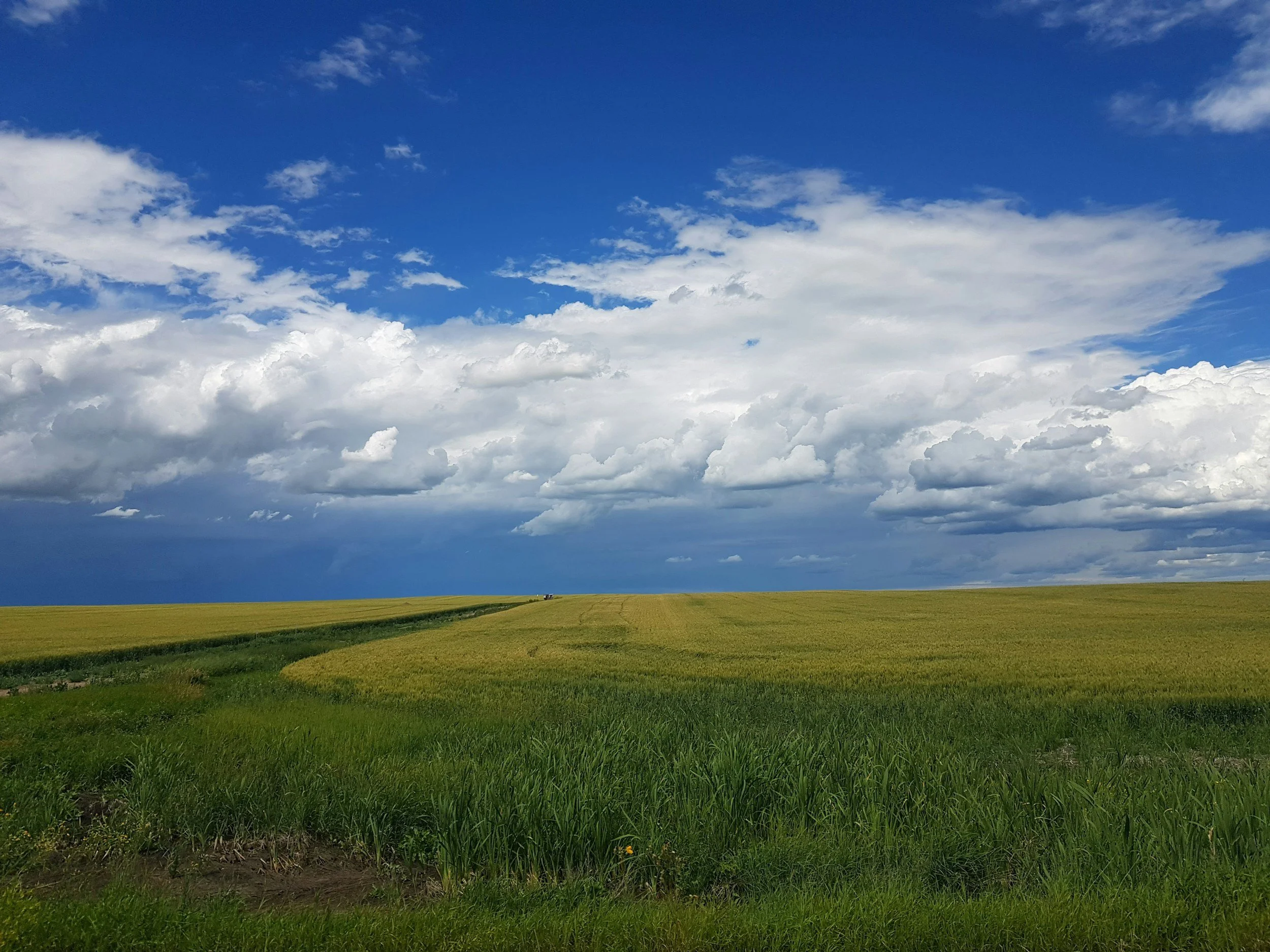
We love rural and small-town life.
The simplicity, natural beauty, and the sense of community.
Most importantly, we know rural and small-town people have values, ideas and energies that deserve to be represented in our democracy.
However, far too often, we hear the same frustrations with the democratic process: decisions are made far away; language feels foreign, leading to many voices going unheard.
By grounding civic education in the realities of rural life, the Gravel Road Civics Project aims to rebuild trust, awaken agency, and foster a renewed sense of belonging in the democratic process.
Our organization is guided by these foundational goals:
Reimagine Civic Education
Challenge dominant, urban-centric models of civic learning by researching, developing, testing, and implementing educational approaches grounded in the lived experiences, histories, and cultures of rural communities.
Cultivate Civic Consciousness
Provide research-backed tools and knowledge people need to identify where decisions are made, how to engage, and what it takes to be heard in the systems that affect our everyday lives.
Build Long-Term Trust
Prioritize listening and respect in rural areas to develop deep, reciprocal relationships that are rooted in trust and tailored to local needs.

Hold on a second,
What is Civic Education?
Civic education is about learning how our democratic systems work—and how we can work within them. It helps us understand our rights, responsibilities, and power as citizens, from how laws are made to how to advocate for change. But it’s not just about voting or reading the news. It’s about knowing who represents us, what power they have, and where our voice fits in. At its heart, civic education is about building confidence, connection, and the skills to participate meaningfully in the life of our community.
However, too often civic education has been shaped by urban priorities and academic language—making it feel distant, inaccessible, or even condescending to those outside major centres.
At the Gravel Road Civics Project, we believe a different route is possible.
Democracy belongs to everyone, and civic learning should reflect the realities, values, and voices of rural life.
So, civic education looks a little different for us:

Connection First: We do not simply enter rural communities and impose civics lessons. Our first foray into a new community is always about meeting community members where they’re at.
Locally-Informed Education: All of our educational events and resources have an intensely local focus—linking local issues and concerns to broader democratic institutions.
Place-Based Reciprocity: We do more than offer civics education. We give back to the community in concrete ways; in giving to charities, community groups or simply offering a helping hand—every time.
Liking what we’re putting down?